What Affects Rates in Dover
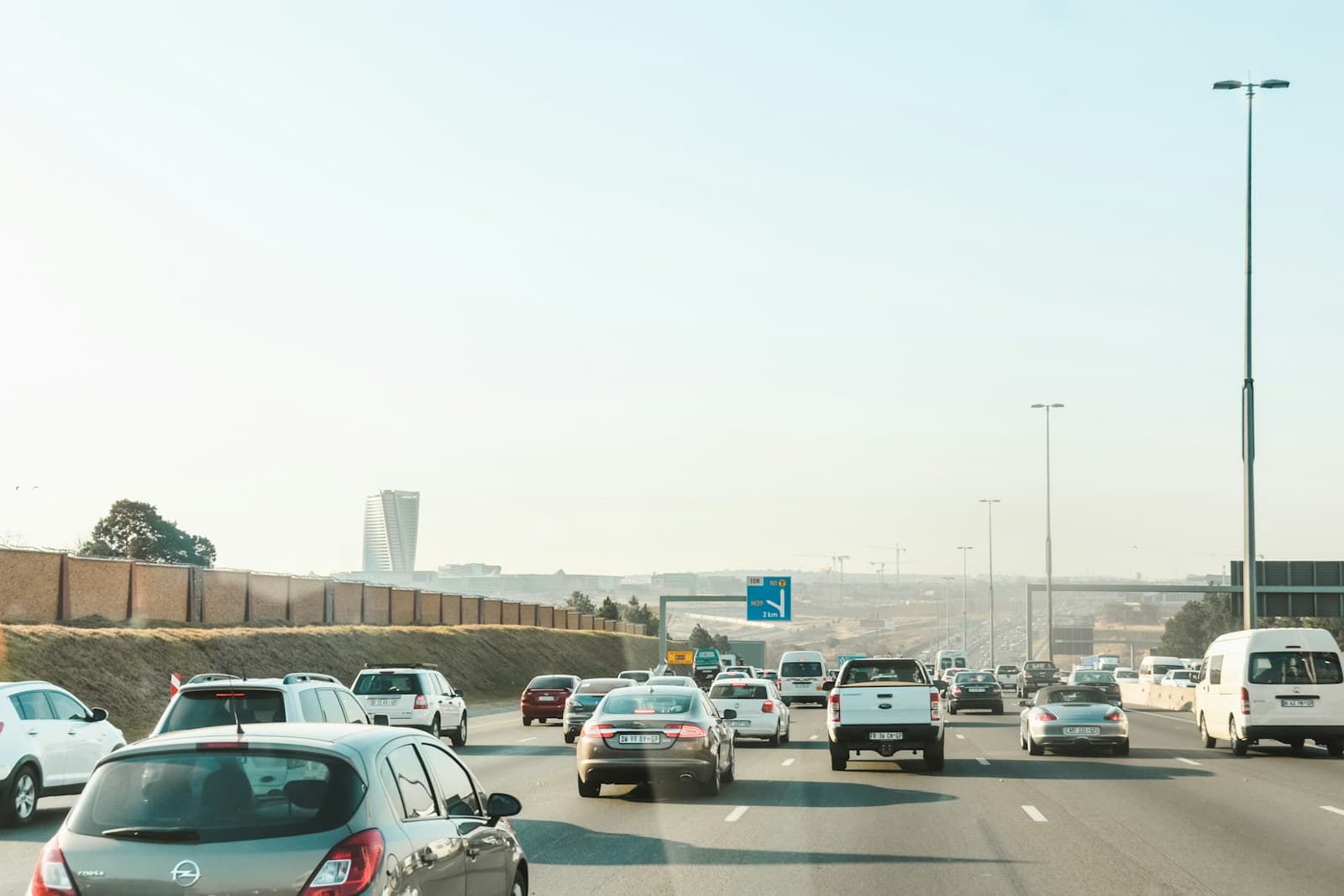
- Route 16 runs directly through Dover, creating a major commute artery to Portsmouth and the southern New Hampshire coast. Exit 8 and Exit 9 see elevated accident frequency during morning and evening rushes, particularly in winter. Drivers using the turnpike daily typically see 10–15% higher premiums than those with local-only routes.
- The historic downtown core and adjacent Garrison area have higher vehicle density and narrower streets, increasing minor collision risk. Parking lot incidents and pedestrian activity near Central Avenue raise rates slightly. Comprehensive claims related to vandalism or theft are infrequent but occur more here than in outlying neighborhoods.
- The Route 108 corridor toward Rochester has seen significant residential and commercial growth, bringing heavier traffic volumes and new intersection risks. Rear-end collisions at Walgreens, Hannaford, and retail plaza entrances are common. Newer developments like those near Knox Marsh may qualify for modest discounts due to modern infrastructure.
- Dover averages 50–60 inches of snow annually, with January and February bringing icy conditions that spike collision claims. Black ice forms on Sixth Street hill, the Cocheco River bridges, and shaded sections of Dover Point Road. Comprehensive coverage is critical for ice damage and slide-offs during nor'easters.
- New Hampshire does not mandate auto insurance, and Dover's proximity to the Massachusetts border means frequent interaction with both compliant and non-compliant drivers. Uninsured motorist coverage is recommended given the state's estimated 10–12% uninsured rate, higher than national norms.
Compare auto insurance rates in your state
Get matched with licensed carriers in minutes. One short form, real quotes, no obligation.
Get Your Free QuoteCoverage Recommendations
Cost estimates are based on available industry data and vary by driver profile. These are not insurance quotes.
Liability Insurance
Essential for Dover drivers given New Hampshire's financial responsibility law and high out-of-state commuter interaction on Route 16.
$45–$75/moEstimated range only. Not a quote.
Full Coverage
Recommended for financed vehicles and daily Spaulding Turnpike commuters facing elevated winter accident risk.
$125–$185/moEstimated range only. Not a quote.
Comprehensive Coverage
Protects against Dover's heavy snowfall, ice storms, and occasional downtown parking lot incidents.
$30–$50/moEstimated range only. Not a quote.
Collision Coverage
Critical for exits 8 and 9 commuters and Route 108 corridor drivers facing high rear-end collision frequency.
$60–$100/moEstimated range only. Not a quote.
Uninsured Motorist
Valuable in New Hampshire's optional insurance environment, especially given cross-border traffic from Massachusetts.
$15–$30/moEstimated range only. Not a quote.