What Affects Rates in Grand Forks
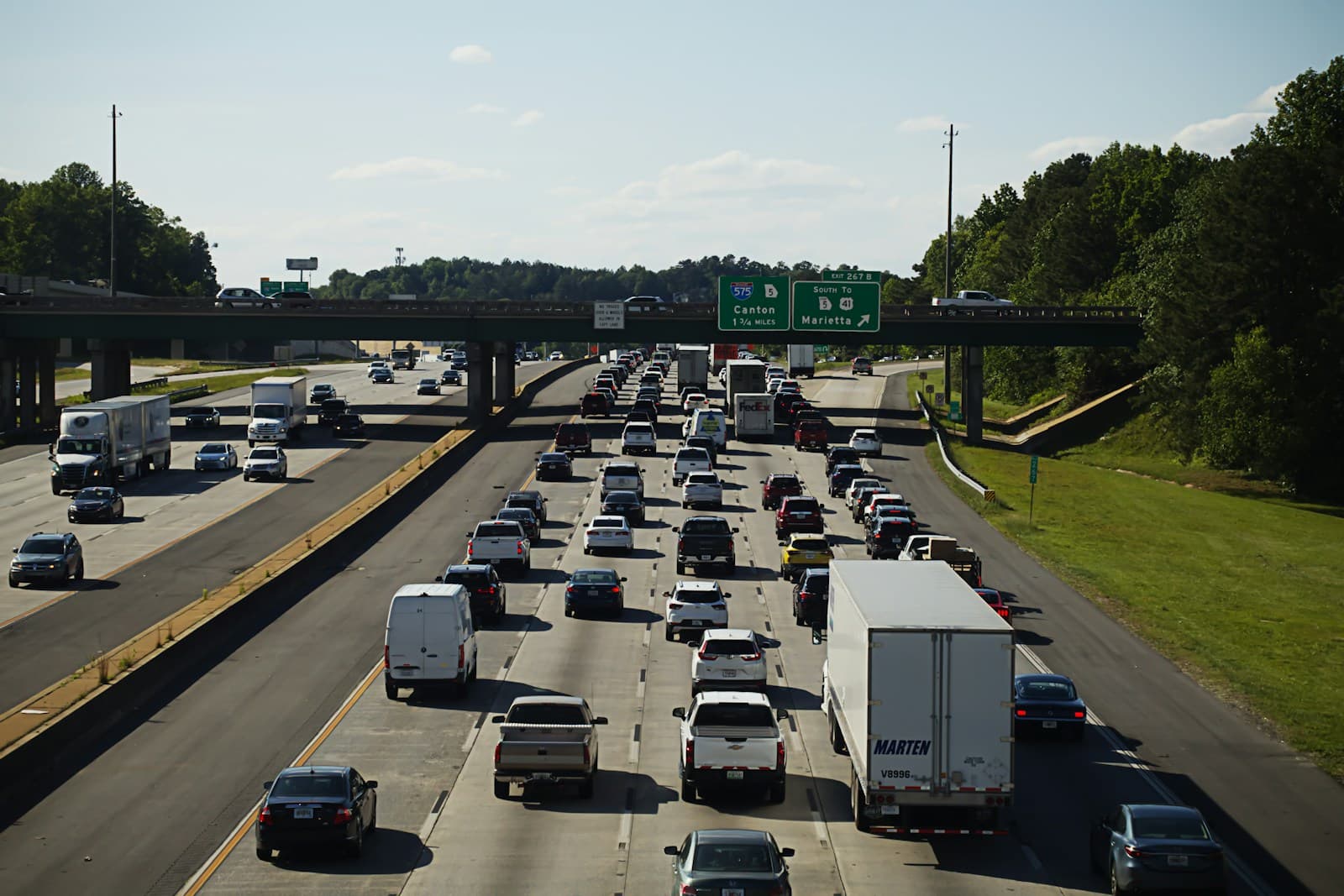
- Most Grand Forks residents commute along I-29 or Gateway Drive, where winter pile-ups and rush hour congestion between Columbia Road and 32nd Avenue South concentrate collision claims. The Columbia Mall area sees elevated fender-bender frequency during shopping peaks. Drivers with these regular routes often see liability premiums reflect the corridor's moderate accident density.
- Neighborhoods near the Red River—particularly areas along Riverside Park and parts of downtown—carry elevated comprehensive premiums due to recurring flood risk. The 1997 flood remains a benchmark event for insurers pricing coverage in Grand Forks. Properties in FEMA flood zones may face higher physical damage coverage costs even for vehicles.
- Daily cross-border commuter traffic between Grand Forks and East Grand Forks, Minnesota increases DeMers Avenue and Gateway Drive congestion. The international border crossing at Pembina brings commercial truck traffic through I-29, raising accident severity potential. These patterns contribute to slightly higher liability costs along main north-south arteries.
- Grand Forks averages 50 inches of snow annually, with January temps frequently below zero. Black ice on 42nd Street, Washington Street, and University Avenue near UND campus leads to seasonal collision spikes. Comprehensive claims rise in winter months due to windshield damage from road salt and frozen precipitation.
- The University of North Dakota brings 13,000+ students, many with out-of-state registrations and limited winter driving experience. Higher claim frequency near campus neighborhoods like University Village and areas along University Avenue pushes rates up slightly for drivers with addresses in these zip codes. Student parking lots see elevated theft and vandalism claims.
Compare auto insurance rates in your state
Get matched with licensed carriers in minutes. One short form, real quotes, no obligation.
Get Your Free QuoteCoverage Recommendations
Cost estimates are based on available industry data and vary by driver profile. These are not insurance quotes.
Liability Insurance
Essential for I-29 and Gateway Drive commuters where multi-vehicle winter pile-ups and cross-border traffic create elevated third-party risk.
$45–$70/moEstimated range only. Not a quote.
Full Coverage
Recommended for Grand Forks drivers facing both winter collision risk on icy arterials and Red River flood exposure in low-lying neighborhoods.
$95–$145/moEstimated range only. Not a quote.
Comprehensive Coverage
Critical for residents near the Red River and those parking near UND campus where flood risk and vehicle vandalism claims run higher.
$25–$45/moEstimated range only. Not a quote.
Collision Coverage
Valuable for drivers on Columbia Road, 32nd Avenue, and DeMers Avenue where winter black ice and congestion lead to frequent single- and multi-vehicle crashes.
$40–$75/moEstimated range only. Not a quote.
Uninsured Motorist
Important given cross-border traffic and transient populations, which can elevate uninsured driver rates compared to smaller North Dakota towns.
$10–$20/moEstimated range only. Not a quote.