What Affects Rates in West Fargo
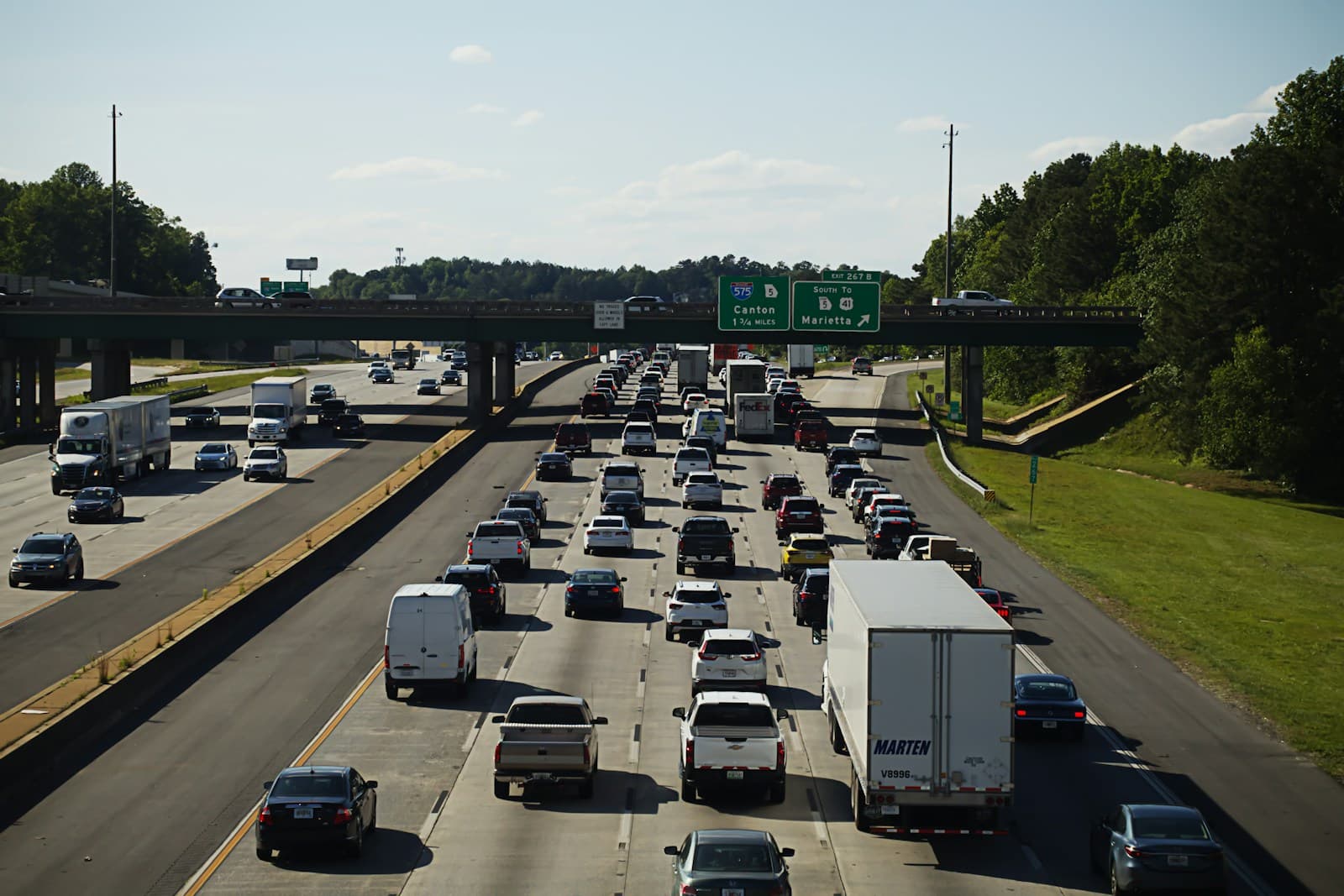
- West Fargo sits at the convergence of North Dakota's two busiest interstate corridors. Daily commuter traffic between West Fargo, Fargo, and Moorhead creates collision frequency higher than rural areas, particularly during morning and evening rush periods on the I-94 corridor and 13th Avenue interchange. Carriers price this suburban commuter exposure into premiums.
- West Fargo has added over 12,000 residents since 2010, making it North Dakota's fifth-largest city. New housing developments south of I-94 and near Sheyenne Street increase vehicle counts and traffic density. Neighborhoods with newer construction and higher home values often see elevated comprehensive coverage costs due to higher vehicle replacement values.
- West Fargo experiences the full range of Red River Valley weather, including blizzards, ice storms, and severe summer hail. The 2013 floods highlighted regional weather volatility. Comprehensive claims spike during spring hail season and winter ice events, particularly affecting vehicles parked outdoors in newer subdivisions without garage access.
- 13th Avenue and Veterans Boulevard host major retail concentrations, generating parking lot incidents and shopping-related claims. The Sheyenne Street corridor sees heavy traffic between residential zones and I-94. These commercial areas create localized claim frequency that suburban drivers navigate daily.
Compare auto insurance rates in your state
Get matched with licensed carriers in minutes. One short form, real quotes, no obligation.
Get Your Free QuoteCoverage Recommendations
Cost estimates are based on available industry data and vary by driver profile. These are not insurance quotes.
Liability Insurance
Essential for West Fargo commuters navigating I-94 and 13th Avenue congestion where rear-end and merge collisions occur frequently.
$40–$75/moEstimated range only. Not a quote.
Full Coverage
Recommended for newer vehicles common in West Fargo's growing subdivisions, protecting against both crash damage and Red River Valley hail events.
$95–$165/moEstimated range only. Not a quote.
Comprehensive Coverage
Critical for West Fargo drivers facing spring hail storms and winter ice damage that regularly impact the Red River Valley.
$25–$50/moEstimated range only. Not a quote.
Collision Coverage
Valuable on high-traffic 13th Avenue and I-94 corridors where fender-benders and intersection crashes are most common.
$45–$85/moEstimated range only. Not a quote.
Uninsured Motorist Coverage
Provides backup protection given North Dakota's uninsured motorist rate, particularly important on busy West Fargo commuter routes.
$15–$30/moEstimated range only. Not a quote.