Oregon Auto Insurance: Requirements & Rates

Oregon requires 25/50/20 minimum liability coverage — $25,000 per person, $50,000 per accident for bodily injury, and $20,000 for property damage. Average drivers pay $110–$145/month for minimum coverage, while full coverage ranges $190–$260/month based on available industry data.

Compare Oregon Auto Insurance

Non-Standard Auto · SR-22 · Senior · Teen Drivers

Two police officers in reflective vests at car accident scene with damaged vehicle on grass near roadway
Quotes from state-licensed insurance professionals
Licensed Agents Only
Free to request, no commitment required
No Obligation
No cost to you
Free to Use
Your contact information is protected
TCPA-Compliant
Updated May 2026

State Requirements

Oregon operates under a traditional at-fault tort system, meaning the driver responsible for an accident is liable for damages. All drivers must carry proof of insurance and present it during traffic stops or at accident scenes. Oregon is one of few states that allows drivers to post a $75,000 bond or certificate of self-insurance with the Oregon Department of Transportation as an alternative to purchasing a policy, though fewer than 1% of drivers use this option.
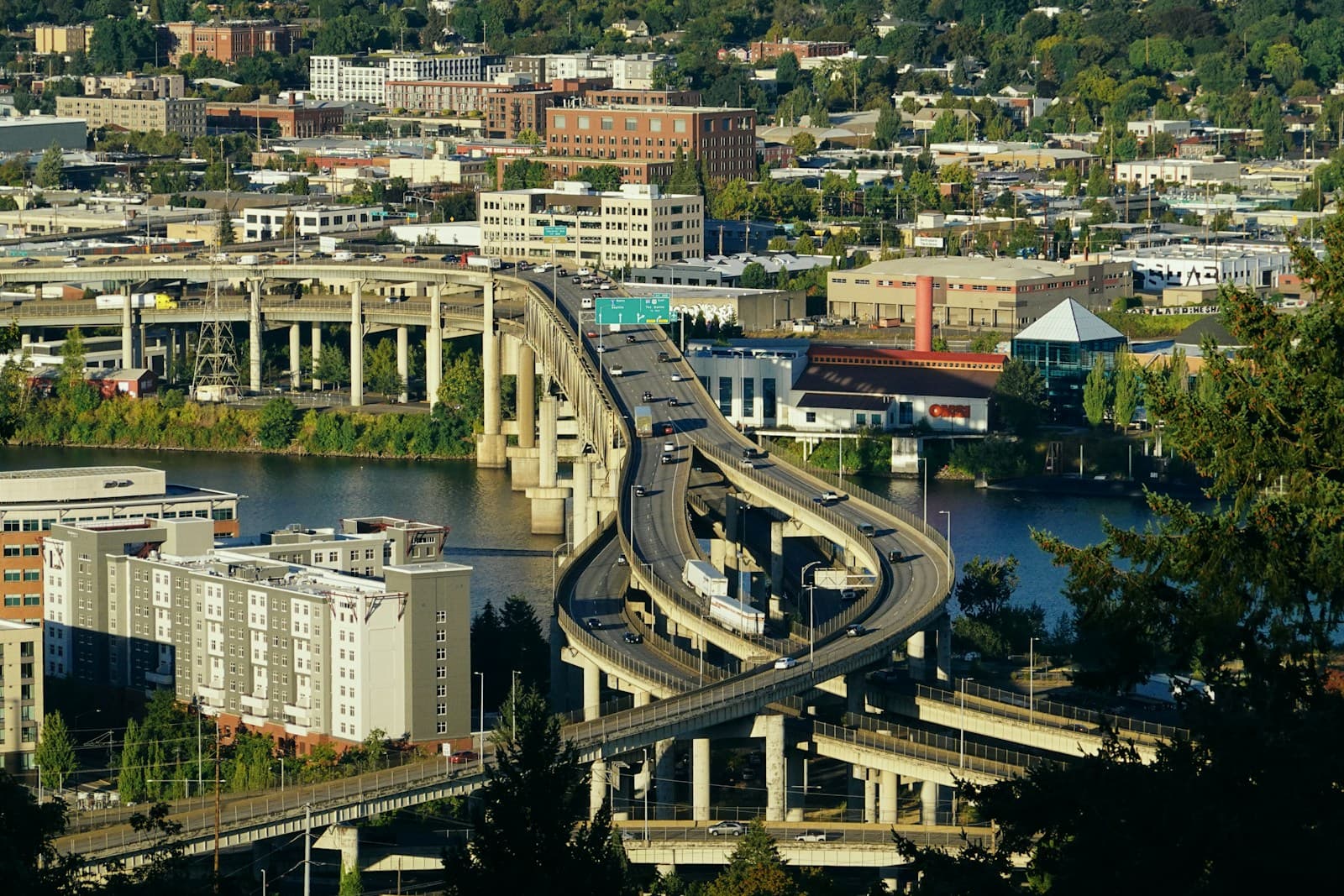
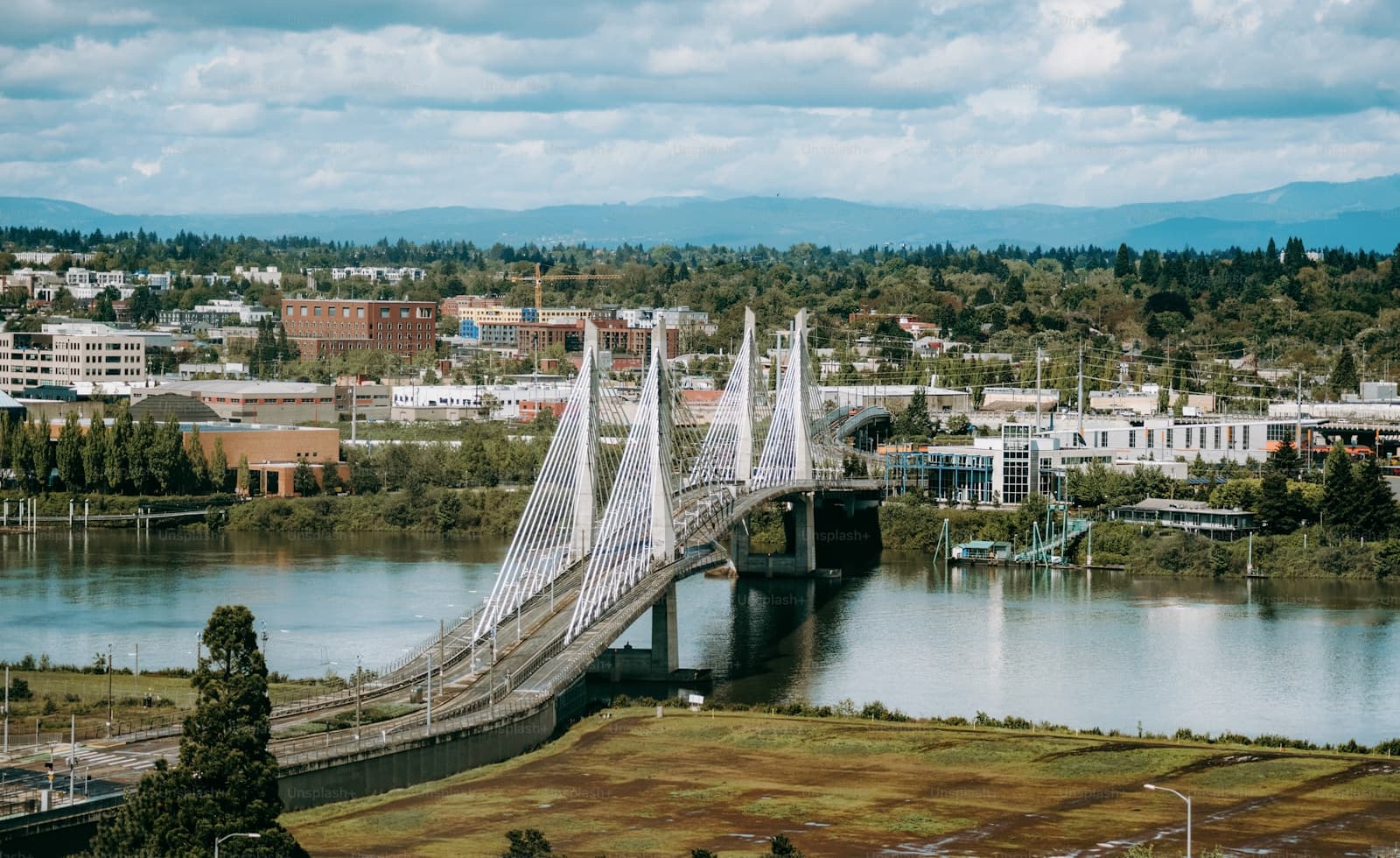
Oregon cityscape and street view
25/50 ($25,000 per person, $50,000 per accident)
Bodily Injury Liability
Covers medical expenses, lost wages, and legal costs when you injure someone in an at-fault accident. Oregon's $25,000 per-person minimum is quickly exhausted in serious injury cases — a single emergency room visit and ambulance transport can exceed $15,000. Medical liens in Oregon persist for years, making underinsurance a financial risk that follows you beyond the accident.
$20,000 per accident
Property Damage Liability
Pays for vehicle repairs, fence damage, guardrails, and other property you damage in an at-fault crash. Oregon's $20,000 limit falls short when you total a late-model SUV or sedan — average new vehicle prices in Oregon exceed $42,000. The state does not require collision or comprehensive coverage even for financed vehicles, though lenders impose their own requirements.
$15,000 per person
Personal Injury Protection (PIP)
Oregon is one of only two West Coast states mandating PIP coverage. This pays your own medical bills, lost income, and essential services like childcare regardless of fault, with a minimum $15,000 limit. PIP activates immediately without waiting for liability determination, covering you and passengers within 24 hours of a crash — critical in a state where approximately 13% of drivers remain uninsured despite legal requirements.
25/50 (must match bodily injury limits)
Uninsured/Underinsured Motorist Coverage
Required at the same limits as your bodily injury liability unless you reject it in writing. This protects you when hit by a driver with no insurance or inadequate coverage — a frequent scenario on Oregon roads where uninsured rates cluster in rural counties. Oregon law allows you to stack UM/UIM coverage across multiple vehicles on the same policy, increasing your total protection in severe injury crashes.
Not required
Collision Coverage
Repairs or replaces your vehicle after a crash with another car or object, regardless of fault. Oregon does not mandate this coverage, but lenders require it for financed or leased vehicles. Given Oregon's mix of mountain passes, coastal fog corridors, and icy Cascade crossings in winter, collision coverage provides essential protection in a state where weather and terrain elevate single-vehicle accident risk.
Not required
Comprehensive Coverage
Covers non-collision damage including theft, vandalism, animal strikes, falling trees, and wildfire. Oregon's dense forests and wildlife crossings generate thousands of deer and elk collisions annually, particularly on Highway 26, Highway 97, and rural routes in Eastern Oregon. Comprehensive claims in Oregon frequently involve falling branches during winter storms and catalytic converter theft in Portland metro, where theft rates spiked 400% between 2019 and 2022.
State-Mandated Minimum Coverage · Oregon

Oregon Minimum Coverage

CoverageMinimum
Bodily Injury (per person)$25,000
Bodily Injury (per accident)$50,000
Property Damage$20,000

License Reinstatement Fee$75

Meeting the state minimum keeps you legal. See whether it's enough — get your Oregon quote.

Get your Oregon quote

Cost Overview

Oregon drivers pay approximately $110–$145/month for state minimum coverage and $190–$260/month for full coverage, based on available industry data. Rates vary significantly between Portland's urban core, where congestion and theft claims drive premiums higher, and rural counties in Eastern Oregon where lower traffic density reduces collision frequency but longer emergency response times increase injury severity costs.

What Affects Your Rate

  • Portland metro drivers pay 15–25% more than state average due to elevated theft claims and higher collision frequency in Multnomah County.
  • Rural Eastern Oregon counties like Harney and Malheur often see rates 10–18% below state average despite longer emergency response times, reflecting lower traffic density.
  • Oregon's uninsured driver rate of approximately 13% pushes UM/UIM premiums higher than neighboring Washington (10%) and California (16%).
  • Drivers with a single at-fault accident see rate increases of 30–45%, while DUI convictions trigger increases exceeding 80% and may require SR-22 filing for three years.
  • Comprehensive claims spike in Cascade foothill zones during winter, where black ice, snow accumulation, and falling tree limbs drive seasonal rate adjustments.
  • Credit-based insurance scores significantly impact Oregon premiums — drivers with excellent credit pay 40–60% less than those with poor credit for identical coverage, a practice legal in Oregon but banned in California, Hawaii, and Massachusetts.
Minimum Coverage
$110–$145/mo
Meets Oregon's 25/50/20 liability, $15,000 PIP, and required UM/UIM minimums. Leaves you personally responsible for damage to your own vehicle and exposes you to significant out-of-pocket costs in serious injury crashes.
Standard Coverage
$145–$205/mo
Raises liability to 100/300/100, adds collision and comprehensive with a $500 or $1,000 deductible. Provides meaningful protection for drivers with newer vehicles or significant assets while keeping monthly costs moderate.
Full Coverage
$190–$260/mo
Includes 250/500/100 liability, collision and comprehensive with lower deductibles, medical payments, rental reimbursement, and roadside assistance. Best suited for drivers with financed vehicles, families, or those seeking maximum protection on Oregon's varied terrain and weather conditions.

Compare auto insurance rates in your state

Get matched with licensed carriers in minutes. One short form, real quotes, no obligation.

Get Your Free Quote
Free to Compare No Obligation Licensed Carriers TCPA Compliant

Coverage Types

Liability Insurance

Covers injuries and property damage you cause to others in an at-fault accident. Oregon's at-fault system means the driver responsible for a crash pays for all damages, making adequate liability limits essential protection against lawsuits that can attach wages and assets for years.

Full Coverage

Bundles liability, collision, comprehensive, UM/UIM, and PIP into complete protection for both your vehicle and your legal exposure. This is the standard package lenders require for financed vehicles and the baseline protection recommended for families or drivers with significant assets.

Comprehensive Coverage

Pays for damage to your vehicle from non-collision events including theft, vandalism, weather, fire, and animal strikes. This coverage operates independently of fault and activates for events entirely outside your control.

Collision Coverage

Repairs or replaces your vehicle after a crash with another car, guardrail, tree, or object, regardless of who caused the accident. Your deductible applies, and the insurer pays the remaining cost up to your vehicle's actual cash value.

Uninsured/Underinsured Motorist Coverage

Steps in when you're hit by a driver with no insurance or limits too low to cover your injuries. Oregon requires this at the same level as your bodily injury liability unless you reject it in writing, and allows stacking across multiple vehicles on one policy.

SR-22 Insurance

Not a separate coverage type but a certificate your insurer files with Oregon DMV proving you carry continuous insurance. Required after DUI, reckless driving, driving uninsured, or license suspension — typically for three years.
Find Your City in Oregon

Frequently Asked Questions

Get Your Free Quote in Oregon