State Requirements
Utah operates as a traditional tort state where at-fault drivers are financially responsible for damages. All drivers must maintain continuous proof of insurance through the state's database verification system, which automatically flags uninsured vehicles to law enforcement. The Utah Insurance Department mandates that insurers report policy lapses within 30 days, and driving without coverage carries immediate registration suspension.
Meeting the state minimum keeps you legal. See whether it's enough — get your Utah quote.
Get your Utah quoteCost Overview
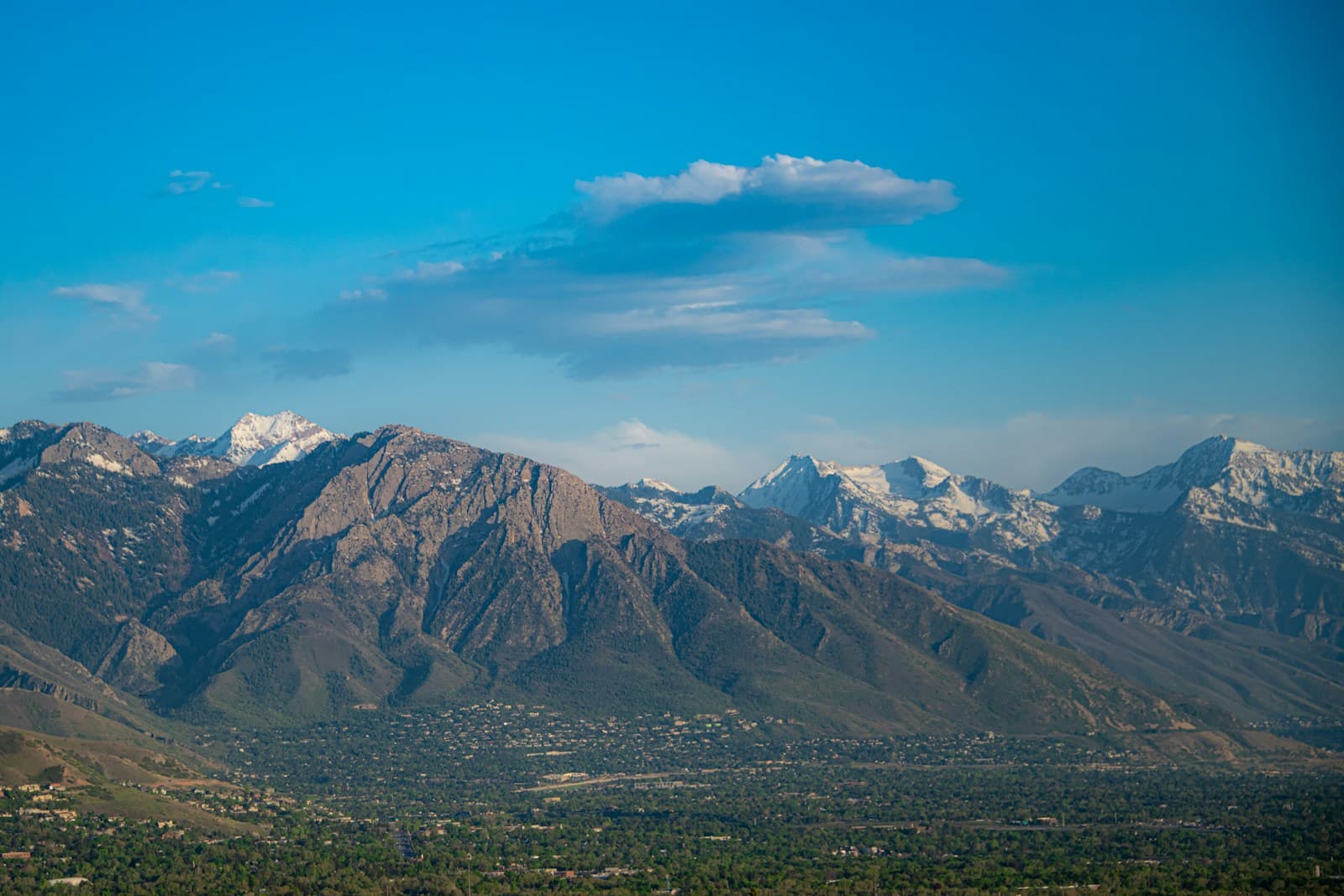
Utah's insurance costs reflect its dense Wasatch Front corridor, harsh winter driving conditions, and significant uninsured driver population. Salt Lake County rates run 15–25% higher than rural areas due to accident frequency, while summit and mountain communities see elevated comprehensive claims from wildlife collisions and hail damage.
What Affects Your Rate
- Wasatch Front density: Salt Lake and Utah counties see 20–30% higher premiums than rural counties due to traffic volume along the I-15 corridor
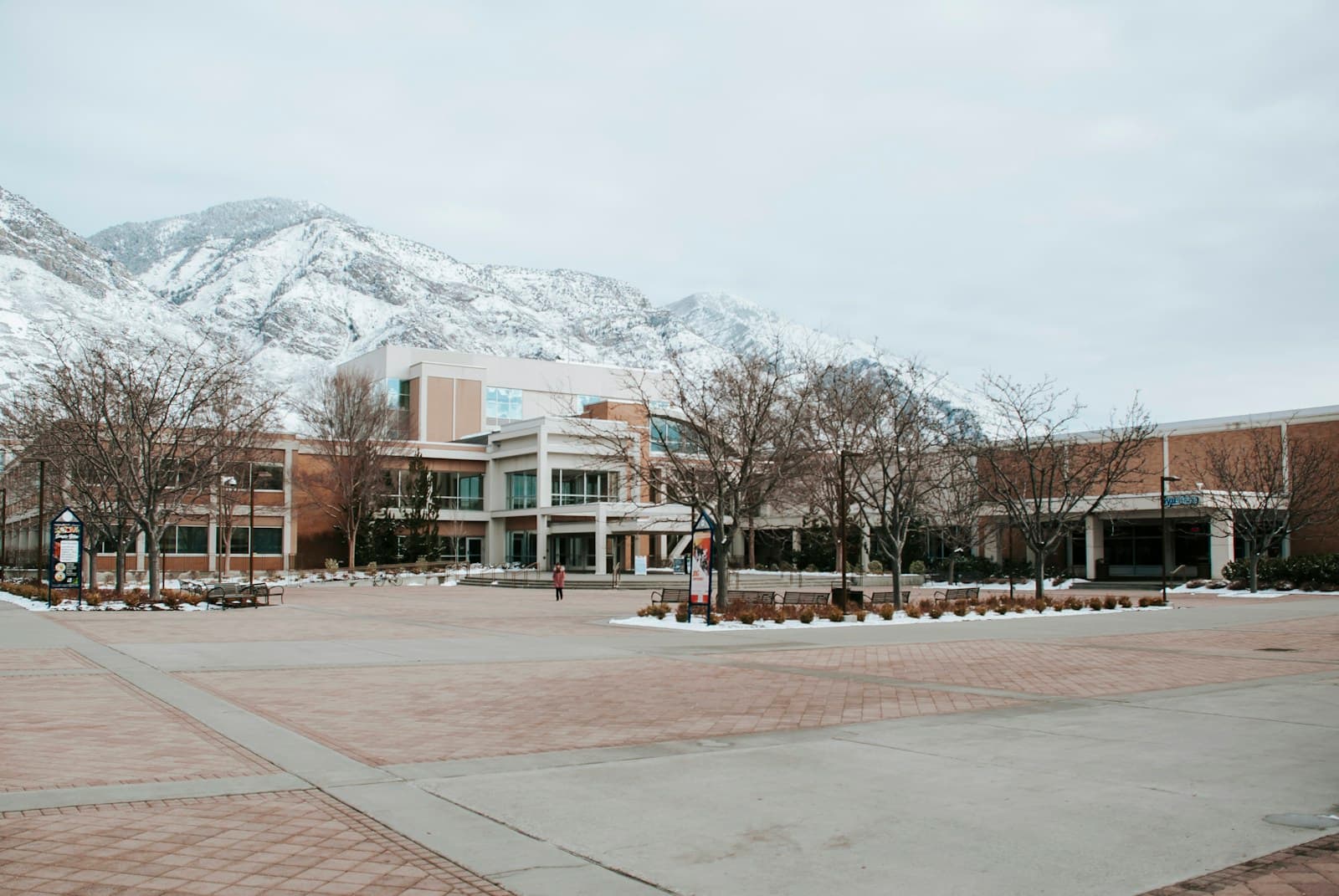
- Winter severity: Northern Utah's lake-effect snow and ice increase collision claims by approximately 40% November through March
- Uninsured driver rate: Utah's 13% uninsured motorist rate drives UM/UIM coverage costs 10–15% higher than neighboring states
- Deer collision risk: Utah ranks 11th nationally for animal strikes, with over 3,500 reported deer collisions annually pushing comprehensive premiums higher in mountain counties
- Credit scoring impact: Utah allows credit-based insurance scoring, creating 60–90% rate spreads between excellent and poor credit tiers
- Age demographics: Drivers under 25 pay $95–$140 more monthly than 40-year-old drivers due to Utah's elevated teen crash rate in suburban areas
Compare auto insurance rates in your state
Get matched with licensed carriers in minutes. One short form, real quotes, no obligation.
Get Your Free QuoteCoverage Types
Liability Insurance
Pays for injuries and property damage you cause to others, including medical bills, lost wages, vehicle repairs, and legal defense. Utah's tort system allows injured parties to sue for damages beyond your policy limits.
Full Coverage
Bundles liability, collision, and comprehensive coverage to protect both your legal obligation to others and your own vehicle investment. Lenders require this on financed or leased vehicles.
Comprehensive Coverage
Covers non-collision damage to your vehicle: theft, vandalism, fire, flood, hail, falling objects, and animal strikes. Pays up to your vehicle's actual cash value minus your deductible.
Collision Coverage
Repairs or replaces your vehicle after accidents with another car, object, or single-vehicle rollovers regardless of fault. Critical protection given Utah's state minimum won't cover your own car.
Uninsured Motorist Coverage
Covers your injuries and vehicle damage when hit by a driver with no insurance or a hit-and-run driver. Acts as a safety net when the at-fault party cannot pay.
SR-22 Insurance
A certificate of financial responsibility filed by your insurer to prove continuous coverage after DUI, reckless driving, or license suspension. Not a separate policy, but a filing attached to your existing coverage.